August 22, 2019
3
MIN READ

A quarter of startups use 45+ SaaS apps

SaaS Insights

When I was trying to understand the potential addressable market for Cledara, I spent quite some time looking at market studies and articles about Software-as-a-Service (SaaS).

When I was trying to understand the potential addressable market for Cledara, I spent quite some time looking at market studies and articles about Software-as-a-Service (SaaS). I want to share what I found here as others may find it useful.

I set out to answer three big questions that were really important for me to understand:

  1. How big is the SaaS market?
  2. How many SaaS products do companies use on average?
  3. How much do companies waste on SaaS?
  4. How do companies manage SaaS?

How big is the SaaS market?**

According to Gartner, companies will spend $74 billion on SaaS in 2018, growing to $102 billion by 2020. They also expect SaaS to reach 45% of total company application software spending by 2021. The continuous growth of the SaaS market, to the detriment of on-premise software, shows that it has become the preferred delivery model.

The data tells us that SaaS is here to stay. From small to large companies, IT infrastructure will inevitably switch to the cloud and, with it, the need to manage it.

How many SaaS products does a company use on average?**

Based on a survey done by BetterCloud in 2015, they estimated that companies would use an average of 17 SaaS products by 2017.

A more recent BetterCloud survey from 2017 shows that 73% of companies will run almost entirely on SaaS by 2020. 38% of companies have already moved most of their internal software to SaaS, using 34 SaaS products per company. Cledara did a survey this week in which nearly a quarter of the respondents had more than 45 SaaS apps, hinting that the number could be even higher and adoption much faster.

How much do companies waste on SaaS?**

Referencing Gartner again, they estimate that 30% of software license costs are wasted because of insufficient management. While this may not map directly to total SaaS spending, SaaS bring significant management challenges and so wasted software spending isn’t going anyway any time soon unless companies take action to manage it actively.

How do companies manage SaaS?**

100% of the companies Cledara has surveyed have no tool to manage SaaS effectively. The most sophisticated approach we have heard of has been keeping a document with all the SaaS used in the business which is then reconciled periodically with the bank statements. This is a time intensive exercise which will become more time consuming with the growth of the company and its SaaS.

Contents

Contents

The software management solution for finance teams.

Learn more

Subscribe to our newsletter

Receive the latest insights in your inbox

Share this post

Subscribe to our newsletter and stay informed on the latest SaaS insights

Sign up

Explore more

The 15 Fastest-Growing SaaS Tools Right Now

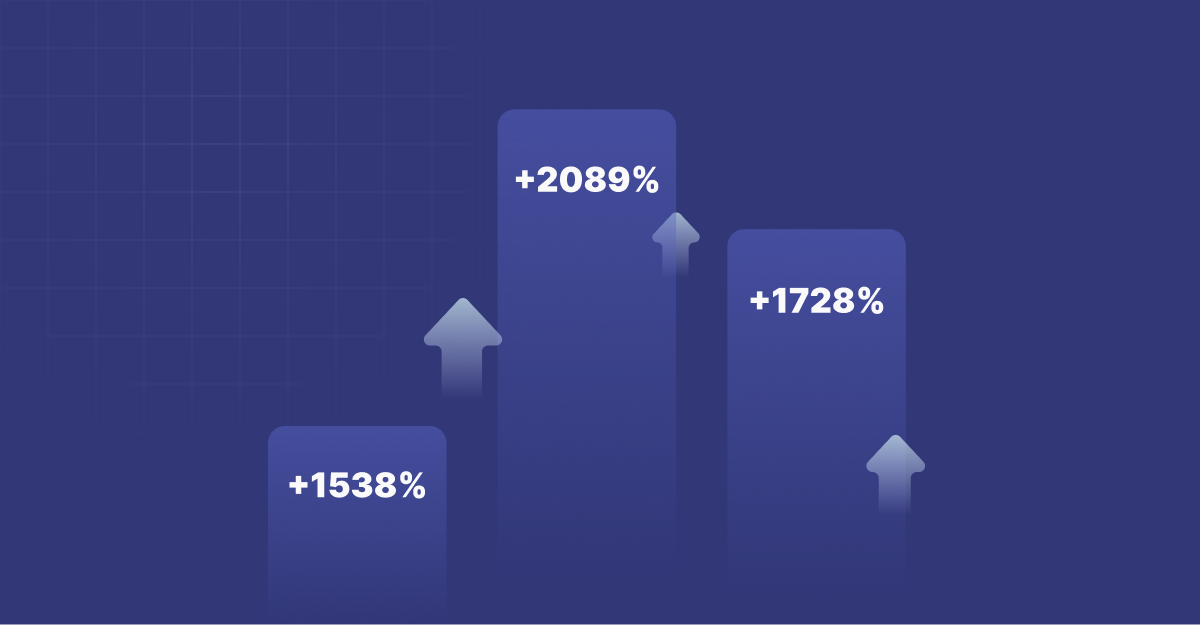
Lovable grew 2,089%. Claude grew 1,728%. Here are the 15 fastest-growing SaaS tools, ranked by real transaction growth.
Read more

OpenAI vs Anthropic: The Real Spending Data Behind the AI Race

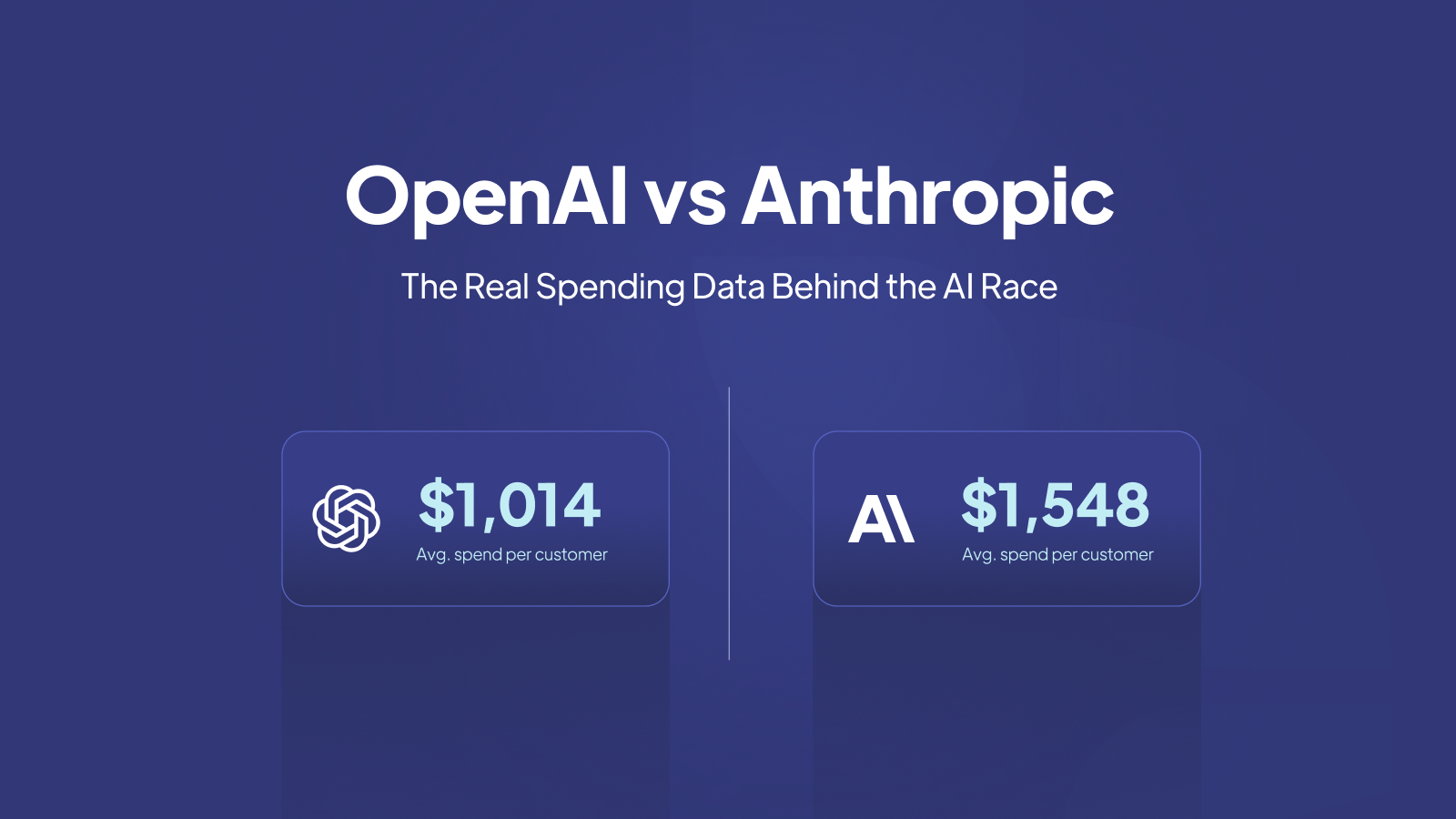
Cledara's transaction data reveals the moment Anthropic overtook OpenAI in enterprise spend, and what the Pentagon controversy means for how companies choose AI providers.
Read more

Datadog vs New Relic vs Grafana: What Companies Actually Spend on Observability

Datadog costs $30,809/year on average. Here is how observability spending compares across Datadog, New Relic, and Grafana in 2026.
Read more

Why Your Company Needs SaaS Management

The median company has 25 SaaS subscriptions. The top 10% have 49 or more. Here is why every company needs SaaS management.
Read more

What Engineering Teams Actually Spend On: The Data Behind the Tools

From Datadog at $30,809/year to Cursor at $5,857, here is what engineering teams actually spend on their tools.
Read more

UK vs US vs Europe: How SaaS Spending Differs by Region

US companies spend $349K on SaaS per year on average, nearly double the UK. Here is how software purchasing patterns differ across regions.
Read more

How AI Coding Tools Are Reshaping Engineering Spend

Engineering teams are spending 3x more on AI coding tools than they were 14 months ago. The data behind the developer tooling revolution.
Read more

The 50 Most Popular SaaS Tools in 2026, Ranked by Real Purchases

The definitive ranking of the 50 most popular SaaS tools in 2026, based on real transaction data, not surveys.
Read more

AI is Eating the SaaS Budget: How AI Tools Went from 8.8% to 26.4% of All Purchases

AI tools grew from 8.8% to 26.4% of all SaaS transactions in just 14 months. Here is what the spending data reveals about the AI takeover.
Read more

2025: The Year Software Management Got Harder And How Cledara Made It Easier

What changed, what we built, and what it means for Finance teams.
Read more

SaaS Management: Why You Need It, When to Implement It, and the Disasters That Happen Without It

Learn why SaaS management matters, the triggers that force adoption, and real disaster stories—plus a practical 30/60/90-day rollout plan.
Read more

The effects of funding on software spend

We were curious what really happens to software spend after a company raises funding, so we dug into the data to find out.
Read more

DocuSign vs. HelloSign (now Dropbox Sign): Which Is The Better eSignature Tool?

Choosing between DocuSign and Dropbox Sign requires understanding their distinct features, pricing models, and integration capabilities to determine which eSignature solution best aligns with your business needs.
Read more

8 Top Tools for Small Business Expense Tracking

Every dollar counts. Learn how the right expense tracking tools can help you cut waste, improve budgeting, and stay financially smart.
Read more

5 Best SaaS Management Tools to Keep Track of Your Apps

Discover the top 12 SaaS management tools to help you monitor your apps, optimize your tech stack, and slash software spend.
Read more