
Every team, in every company, should be taking a moment to look back on 2025. Not just to list what shipped or what didn’t, but to understand what actually moved the needle, what fell short, and what those lessons mean for the year ahead. If you’re not doing this exercise, you should. Few things are as clarifying as stepping away from the day-to-day and seeing how far you have really come. Take a day, grab a notebook, and look back. You will find yourself going through a process of review and introspection that won’t leave you indifferent.
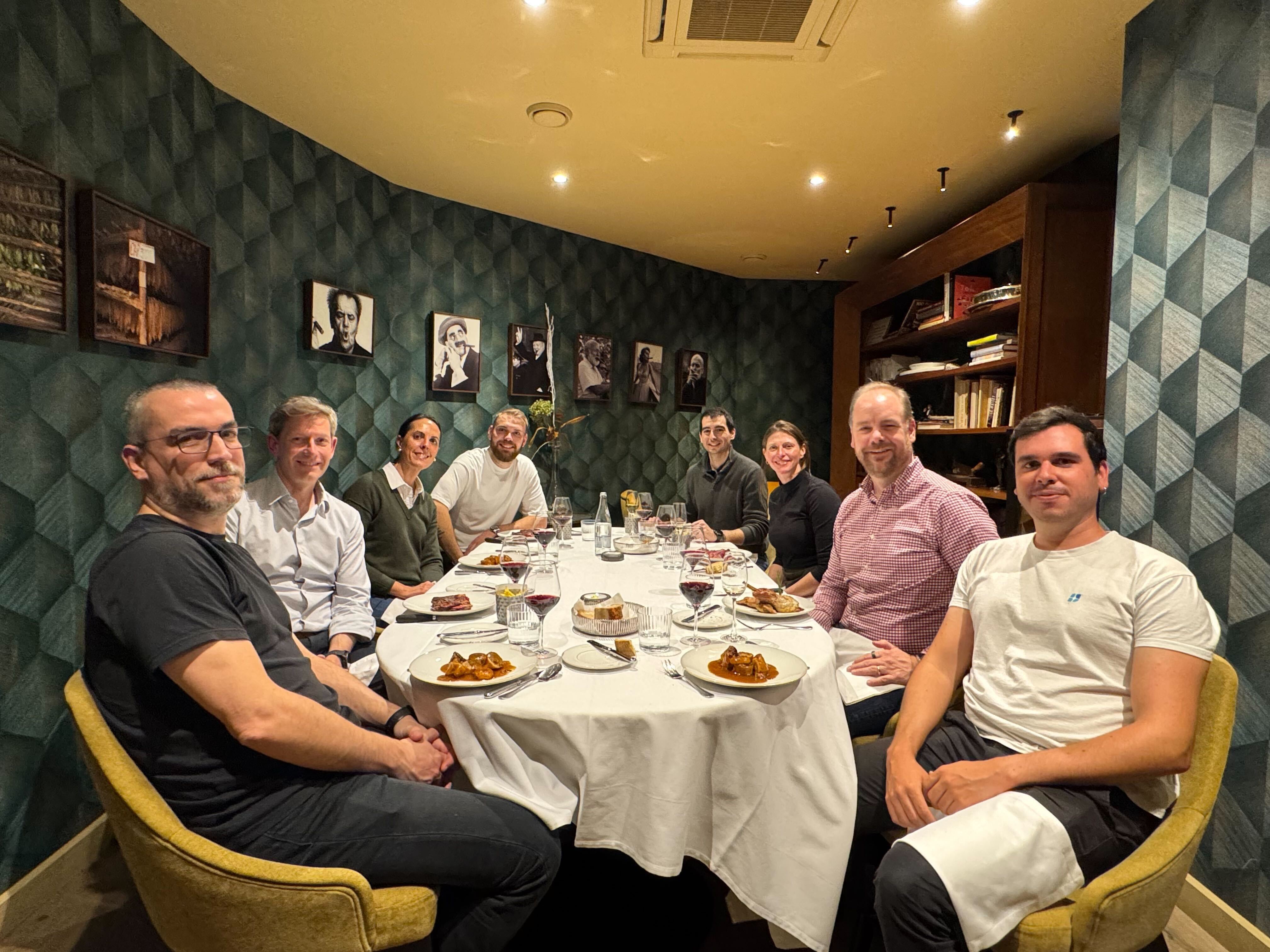
At Cledara, we did exactly that. Our leadership team came together for an offsite to challenge assumptions, revisit decisions, and pressure-test what truly mattered. Nothing was off limits. Everything was up for debate. The result? We are heading into 2026 with a much clearer vision and sharper priorities.
From where I sit, one conclusion was unmistakable: 2025 was a defining year for our product. We shipped extensively, improved relentlessly, and made deliberate bets to remain at the forefront of how companies buy, manage, and control their software.
From a product perspective, the signal was hard to ignore. The combination of new capabilities, deeper workflows, and meaningful UX improvements fundamentally expanded what teams can do in Cledara. More importantly, the feedback from our customers - we spoke with over 1,000 finance teams throughout the year - and the analysis of product data confirmed we focused on the right problems to solve - i.e. the ones that genuinely reduce complexity for Finance teams and give businesses greater control over their spend.
If you keep reading, you will discover how 2025 changed the way companies manage software, the underlying trends and patterns we uncovered, and what we built to help teams manage not just software, but all business spend.
The Reality: Managing Software Is Harder Than Ever
Your Finance team is juggling more software tools than ever. AI subscriptions are popping up across every department. Employee onboarding and offboarding creates software chaos, and access is hard to track. Accounting reconciliation of all these software payments still takes hours. Somewhere between Slack, email, and dozens of tools, invoices go missing.
Sound familiar?
Well, you are not alone. In 2025, these were the most consistent themes we heard across hundreds of customer conversations. Managing software is getting harder, not easier. And this is not because teams aren’t trying, but because software management has become a fragmented, complex problem that most organisations were never designed to handle.
Every company does it differently. Yet almost everyone struggles with the same issues: limited visibility, disconnected workflows, manual processes, and an ever-growing software stack that is increasingly difficult to control.
To top it all up, the software management landscape changed dramatically in 2025, and your challenges changed with it. Three major shifts drove this: (i) the AI explosion, (ii) the consolidation of tools, and (iii) rising user expectations.
I. The AI Explosion changed everything
The rapid expansion of AI tools added an entirely new layer of complexity.
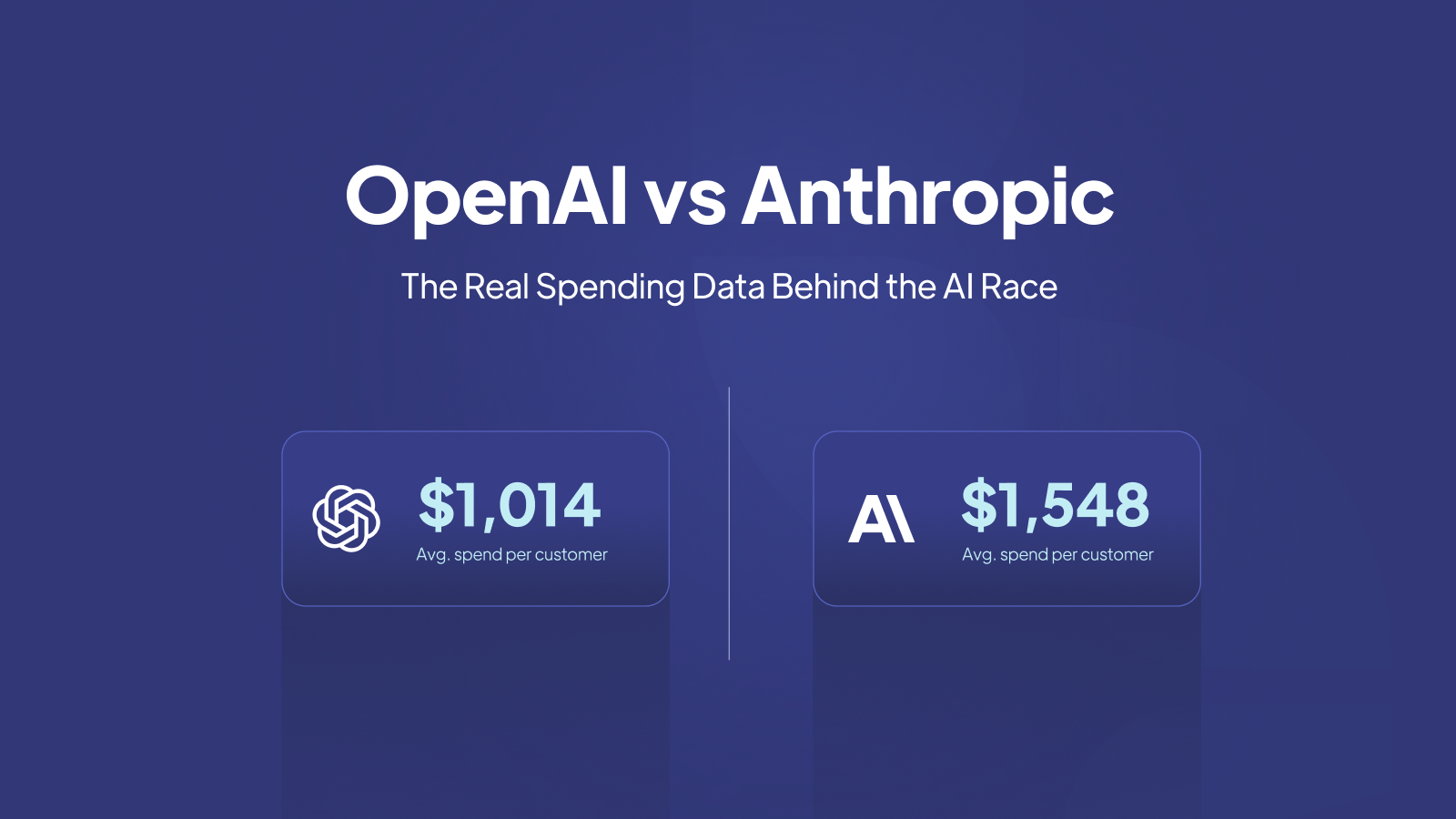
Every team in your organisation is experimenting with AI tools (which is great!), and they are adopting new technologies at an unprecedented pace. It is no longer two or three subscriptions that go unnoticed. Among our customers, more than 60% of companies now use at least one of OpenAI, Anthropic, Gemini, or Cursor - often multiple at the same time, for different use cases, across various teams.
What looks like a handful of subscriptions quickly turns into a myriad of accounts, owners, and workflows. One OpenAI account for production-ready applications; ChatGPT for Sales; Claude for some engineers; and Cursor for the rest. And that is just the base layer. On top of it, there are hundreds of AI-powered applications embedding these models across the organisation.
The result? Spend is increasingly concentrated among a few large providers, but usage is fragmented across teams, tools, and experiments.
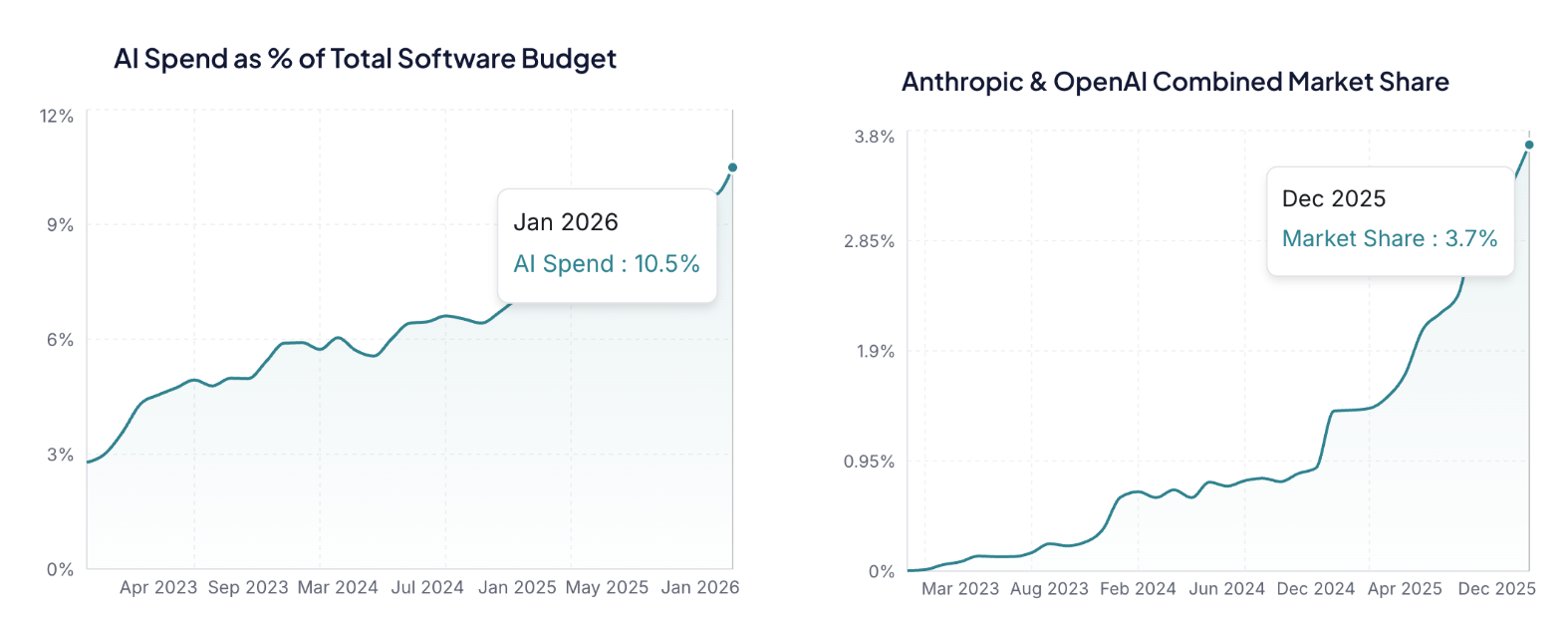
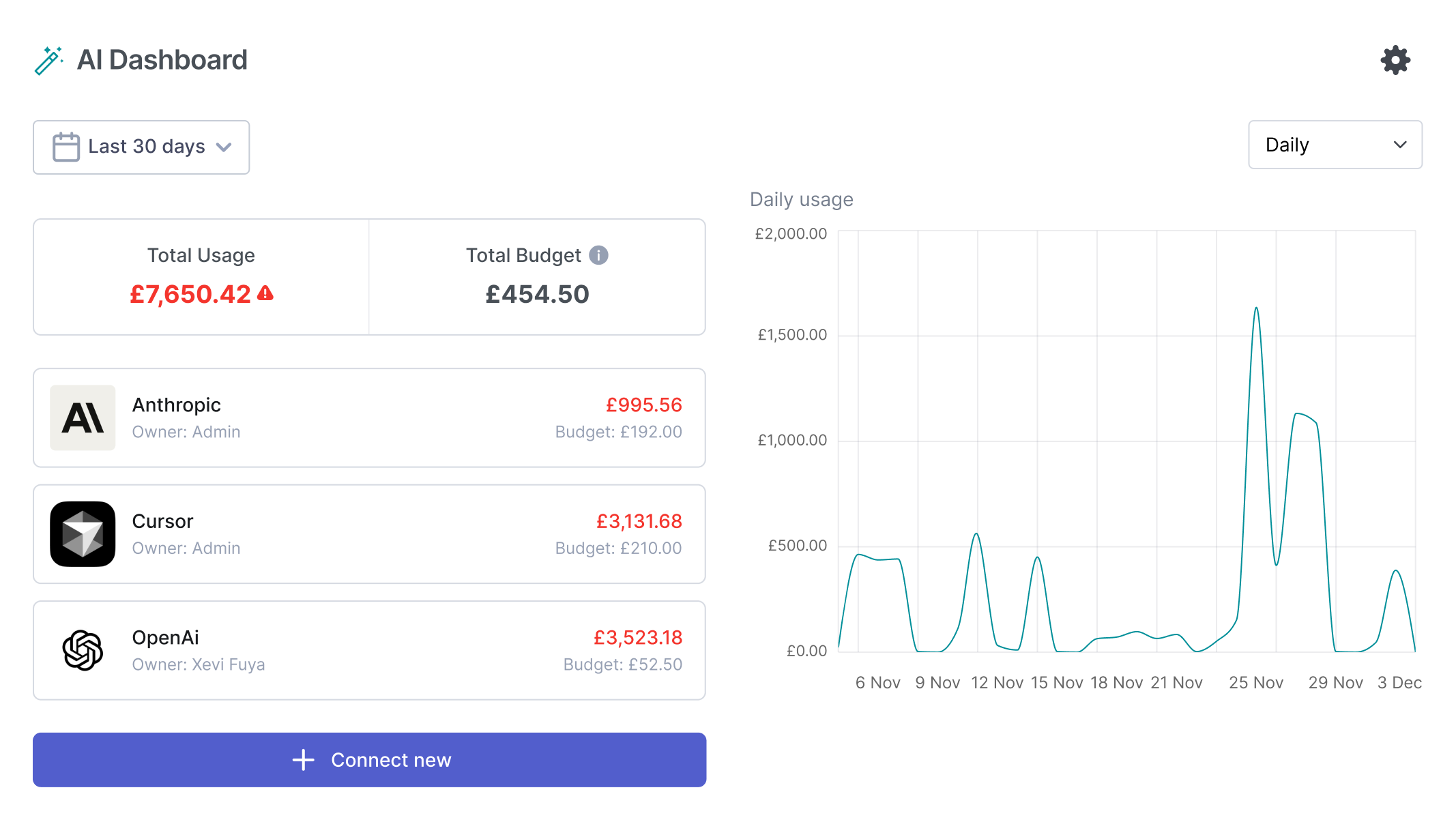
This shift is creating new purchasing patterns that traditional finance processes simply weren't built for. Unlike seat-based SaaS subscriptions, where costs are predictable, AI tools charge by consumption - i.e. tokens, API calls, compute minutes, and more. Costs spike unpredictably. Forecasting becomes guesswork. One department's experiment can turn into a budget-busting surprise before Finance even knows what is happening. That is why the CLEDARA AI DASHBOARD was born.
II. Consolidation is no longer optional
Finance teams are tired.
Tired of logging into multiple platforms to answer simple questions like “Are we on budget?”. Tired of hunting for renewal dates across email threads. Tired of manual reconciliation between expense tools, accounting systems, and bank statements. The demand for consolidation has never been clearer.
Tolerance has disappeared, and your team does not want seven different tools anymore. They want one platform that brings it all together: software payments, employee expenses, budget tracking, accounting in sync, and intelligent insights. Even if it means sacrificing some specialised features, the operational overhead of managing multiple disconnected systems is no longer worth it. Every additional tool means another login, another dashboard, another reconciliation process, another vendor relationship to manage.
In 2025, we decided to eliminate the consolidation challenge for you. We listened, we built, and we delivered an all-in-one platform that finally checks every box. Why? Cledara has always been the best at helping companies manage software payments (ranked #1 on G2), and now we have extended that expertise to help with general spend management, bringing everything Finance needs into one place.
III. Expectations have shifted
Modern finance teams rightfully expect software to be magical. Software that requires minimal effort.
They don’t want to chase data or manually stitch reports together. They expect platforms that surface insights proactively, automate repetitive work, and flag issues before they become problems. Software should work quietly in the background, and you should only need to step in when action is needed (i.e. to handle an exception, make a decision or when the system needs to share material information).
This shift reflects a broader reality: the bar has been raised. Tools that create more work than they solve are being replaced. Platforms that can’t keep up with the complexity of modern software and spend management are being left behind.
And that is the context in which everything we built in 2025 should be understood.
How Cledara Responded: 15 Major Updates That Changed Everything
We didn't start 2025 with a list of features we wanted to ship. We started with a clear understanding of the fundamental challenges Finance teams face, and built backwards from there. Our approach was to build from the problem, not the feature list.
The massive volume of data already flowing through Cledara gave us a unique advantage: we could see patterns in software usage, costs, and behaviours across thousands of companies. We could identify where teams were struggling, where manual work was eating up time and slowing them down, and where the gaps in visibility were creating risk.
🤫 Believe it or not, if you are interested in this data, it is publicly available in real-time in our Cledara Data Hub.
Every update we shipped was designed to solve one of these real, recurring problems we heard in customer conversations. The goal wasn't to add features - it was to consolidate your tools, reduce manual work, and give you the control and intelligence you need to manage modern software spend.
Rather than shipping features for the sake of it, we focused on something bigger: raising the baseline of what Finance and IT teams should expect from their software and spend management platform.
Here's what we shipped.
Complete Spend Visibility: From Software to Every Expense
For years, Cledara helped Finance teams bring clarity and control to software spend. However, one request kept coming up:
“We love how Cledara handles our Software spend. Can you do the same for everything else?”
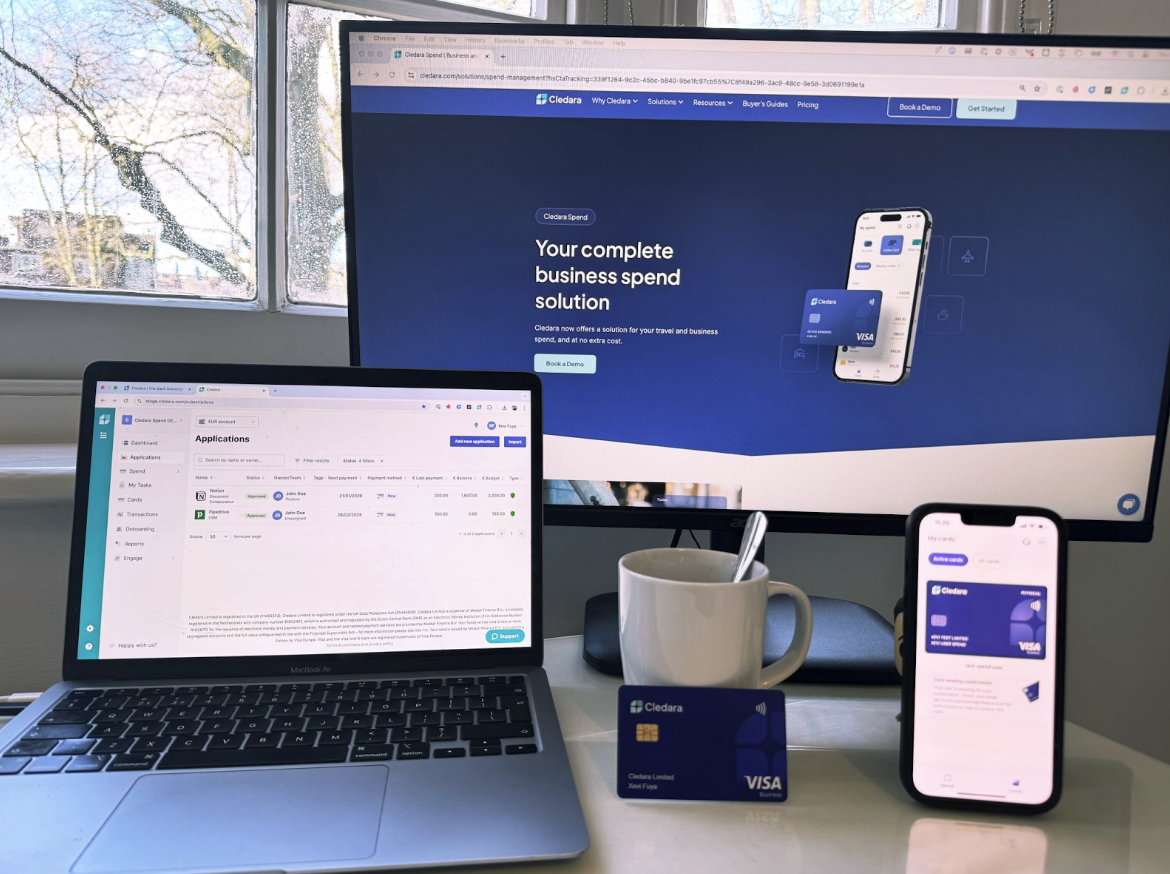
In 2025, we did. Cledara evolved into a comprehensive, end-to-end platform that checks all the boxes and becomes the default choice for all business spend, not just software. As a result, Cledara customers in the UK and EEA now have access to Cledara Spend🚀.
The insight was simple: Spend management is straightforward. What is hard is managing recurring software payments, tracking subscriptions, and keeping everything audit-ready. If we solved that complexity for software, why not extend the same level of automation and control to every expense?
What this means:
- Unified platform - Software subscriptions and company expenses in one place
- Zero learning curve - The same interface you already use
- No extra cost - Built into your existing Cledara plan
What we shipped:
- Cledara Spend - Physical and virtual cards for any business expense. Travel, events, training, office supplies, marketing campaigns. All with the same visibility and control you expect from Cledara.
- Mobile App - Submit receipts on the go, and check your spend from anywhere. Finance doesn't stop when you leave your desk.
- Apple Pay & Google Pay - Your phone is now your Cledara card. Add your Cledara cards to your wallets, and pay quickly and easily. Every transaction flows back into Cledara, categorised and ready for accounting.
- Spend Reimbursements - Employees can submit out-of-pocket expenses with receipts attached. Approvers review with a click, and the reimbursements are paid directly from Cledara. No spreadsheets, no email chains, no separate systems.
As the old saying goes: “You can't control what you can't see”. With Cledara, now you can finally see it all.
Financial Control that Actually Works: “Are we on budget?”
Once you can see all spend in one place, the next question is inevitable: are we actually in control of it? Knowing where your money goes is valuable. Being able to manage it proactively, before problems emerge, is what changes the game. In 2025, we focused on making the answers real-time and proactive.
What we shipped:
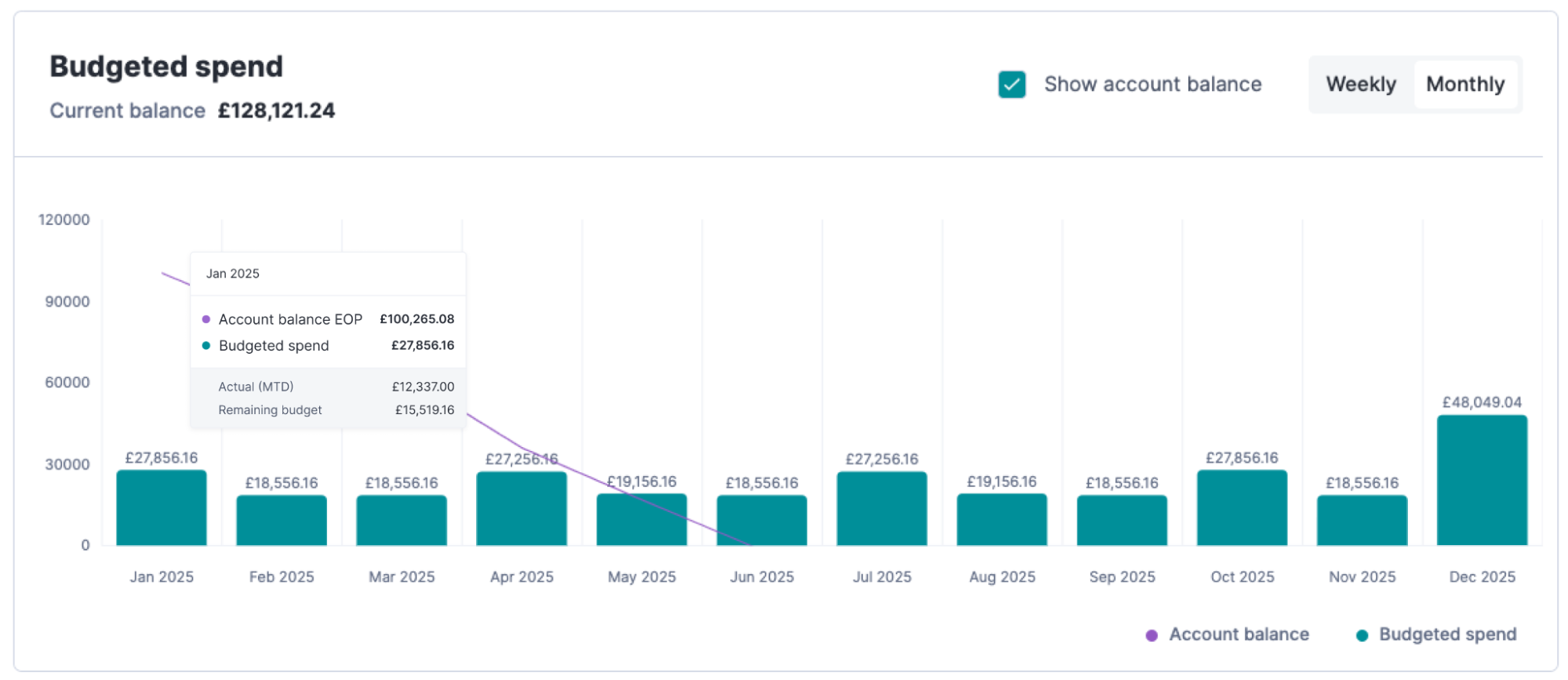
- Budgeted Spend: Forecast your software budgets, track what you will pay each month, and compare Actual vs. Budget in real-time. The question "Are we on budget?" no longer causes stress. Most importantly, your budgets adjust automatically as subscriptions renew or new tools are added. The result? No more end-of-quarter surprises. Just clear, proactive and predictable budget management. Learn more.
- Card Tagging System: Bring structure to your spend by tagging Software and Spend cards by team, department, or project. Reporting becomes effortless, visibility improves instantly, and you avoid duplicating applications just to track internal allocation. Learn more
- Custom Applications view: Your Applications table now adapts to how you work. Create custom views with the fields and filters that matter most to you. From Finance and Procurement to Compliance, Renewals, or Access management views. Each team sees exactly what they need, without extra clicks or noise.
- The AI Dashboard: AI spend doesn’t behave like traditional SaaS. Instead of predictable, seat-based pricing, costs fluctuate daily and scale invisibly across teams. The AI Dashboard was built for this reality. By connecting and standardising usage data across providers such as OpenAI, Anthropic, and Cursor, and surfacing it in real time, Finance can see what’s happening as it happens so that they can take action before an unexpected bill lands. As AI becomes core infrastructure, this level of visibility isn’t a nice-to-have; it’s essential to avoid surprises when the invoice arrives. Learn more
Control isn't about restrictions. It is about having the right information at the right time to make smart decisions. We built these tools to give you exactly that.
Workflow Efficiency: Your Cledara on autopilot
As the number of applications and payments grows, control alone isn’t enough. The real challenge becomes operational: keeping your account funded, applications up to date, invoices collected, and data accurate. All this without creating more work for your team.
In 2025, one thing became clear from our conversations with customers. Too much time is still spent on tasks that shouldn’t require human attention: chasing invoices, updating records, topping up balances, onboarding applications one by one, among others. None of this creates value for your business, it creates friction. And yet, someone still has to do it.
We decided to do the work for you, so that you don’t have to!
What we shipped:
- Direct Debits: Automatically keep your Cledara account funded. Set rules to top up when balances drop below a threshold, or schedule recurring top-ups weekly or monthly. No more failed payments because someone forgot to add funds. Create a mandate, define your rules, and let Cledara handle the rest. Learn more
- Deeper HR System integrations: Beyond triggering onboarding and offboarding workflows from your HR tool, now you can keep Cledara in sync by importing members and teams. This allows you to save time setting up Cledara and ensures you are ready to manage your tech stack in seconds. Learn more.
- Application Mapping: Manage accounting details for all applications from one central place to ensure consistency across records, and reduce errors caused by manual, one-by-one updates. One customer called this feature "any accountant's dream!" 😎Learn more
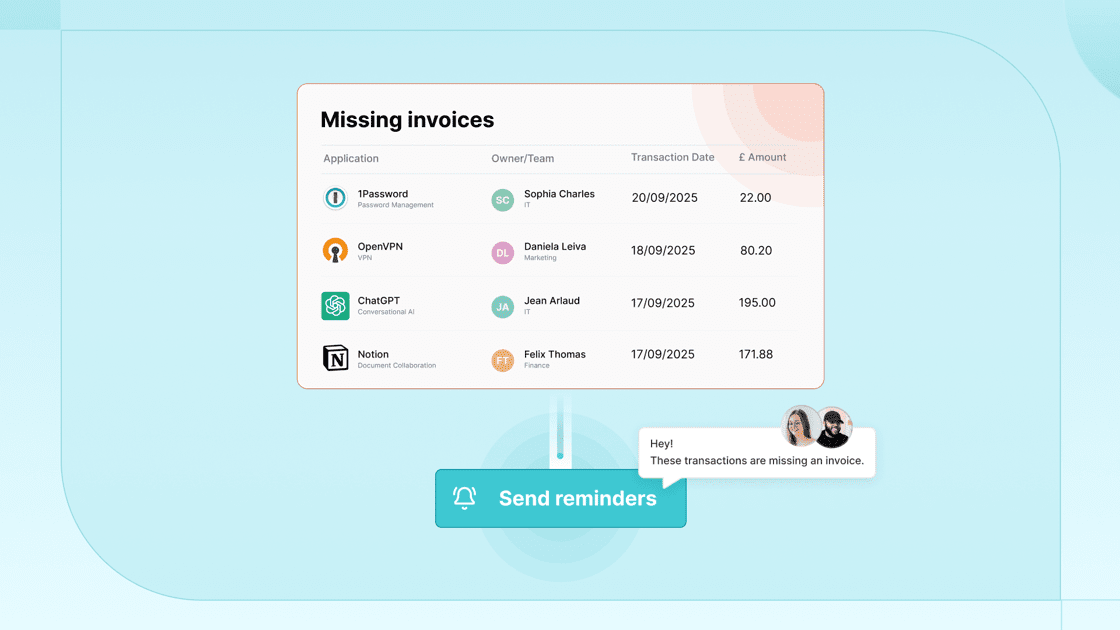
- Missing invoice reminders: We all know the pain of that one rogue invoice, and all the annoying chase across emails, Slack, and Teams to track it down. No more playing detective. Now you have more control over your missing invoices and can send reminders directly from Cledara. When combined with Invoice Capture, invoices are recovered automatically and on time. Learn more.
- Import Applications in bulk: Going from software chaos to full visibility shouldn’t take weeks. We made it possible to bring hundreds of applications in one go. Upload a CSV with your full application list, edit details in bulk from one screen, assign budgets, and bring everything into Cledara in minutes. If you still have applications scattered everywhere, it’s time to bring them home. Learn more
- Slack Integration: Bring Cledara into the tool your team already uses every day. Receive notifications for approvals, renewal reminders, access requests, and more directly in Slack. This ensures decisions happen faster and nothing gets overlooked. Learn more
Efficiency isn't about doing things faster. It's about eliminating the things you shouldn't have to do at all. These updates do exactly that, and now you can put your Cledara account on autopilot! 🎉
Conclusion: What This Means for You and Your Finance Team
Those of you who know me know that one of my passions is kitesurfing. What I love most about it isn’t just being on the water. It is the moment when everything comes together. Riding upwind, carving the board, timing the jump, steering the kite and landing cleanly. Nailing the entire sequence takes coordination, practice, and muscle memory to execute. But there's an even better feeling: when you land, finish the session, and your smartwatch tells you that you didn't just jump 6-7 meters like you thought. You hit 8 meters and broke your personal record.
That’s exactly how closing 2025 feels like when I think about Cledara and our product.

We didn't just ship features. We fundamentally raised the bar for what software and spend management should look like. Complete visibility across all expenses, real-time budget control, and workflows that run themselves are no longer aspirations. They are the new baseline. Our product is stronger than ever; we released high-value features at an incredibly fast pace, and our customers have consistently shared positive feedback about the value these improvements unlocked for their teams.
Every update we shipped in 2025 was designed to give Finance that advantage. To consolidate your stack. To eliminate manual work. To put you in control. Not by adding more to your plate, but by doing the work for you.
2025 made one thing clear: software management is not getting simpler and the complexity attached to it is not going away: AI spend will continue growing, software stacks will keep expanding, and usage-based pricing makes forecasting a hard exercise. In this environment, the expectations on Finance teams will only increase and the tools you use to manage all of this must, and should, be smarter, simpler, and more powerful.
Here's how to make the most out of Cledara going into 2026:
- Get complete visibility first: If you haven't already, enable Cledara Spend to bring all company expenses into one platform. Add your physical and virtual cards to Apple Pay or Google Pay. Download your Cledara mobile app. Get everything in one place before trying to control it.
- Set up proactive controls: Use Budgeted Spend to forecast your software costs and track Actual vs. Budget in real-time. Tag your cards by team, department, or project to improve reporting. Create custom views in your Applications table so each team sees exactly what they need.
- Put workflows on autopilot: Set up Direct Debit to keep your account funded automatically. Connect your HR system to sync teams and users. Enable Invoice Capture and missing invoice reminders to stay on top of your invoices without manual tracking. Import all your applications in bulk if you haven't done so already.
- If you're managing AI spend (and we know you are!): Connect your OpenAI, Anthropic, and Cursor accounts to the AI Dashboard. Set budgets for every provider and take control of consumption-based pricing before it becomes a budget-busting surprise.
- Stay connected: Enable your Slack integration to bring Cledara notifications into the tool your team already uses. Check the What's New widget regularly for product updates. Subscribe to our monthly Product Update newsletter.
- Explore the data: Visit the Cledara Data Hub to discover real-time insights on software purchasing behavior globally. Use it to discover what others are using, understand market trends, and make smarter decisions.
Here's to an even better 2026 🥂🍾