March 25, 2026
3
MIN READ

The 50 Most Popular SaaS Tools in 2026, Ranked by Real Purchases

SaaS Insights

The definitive ranking of the 50 most popular SaaS tools in 2026, based on real transaction data, not surveys.

by
Brad van Leeuwen

Published March 2026 | Based on actual transaction and adoption data

This is the definitive ranking of SaaS tools, not by hype or analyst reports, but by what companies are actually buying. The data comes from real purchase transactions, real adoption rates, and real spending patterns.

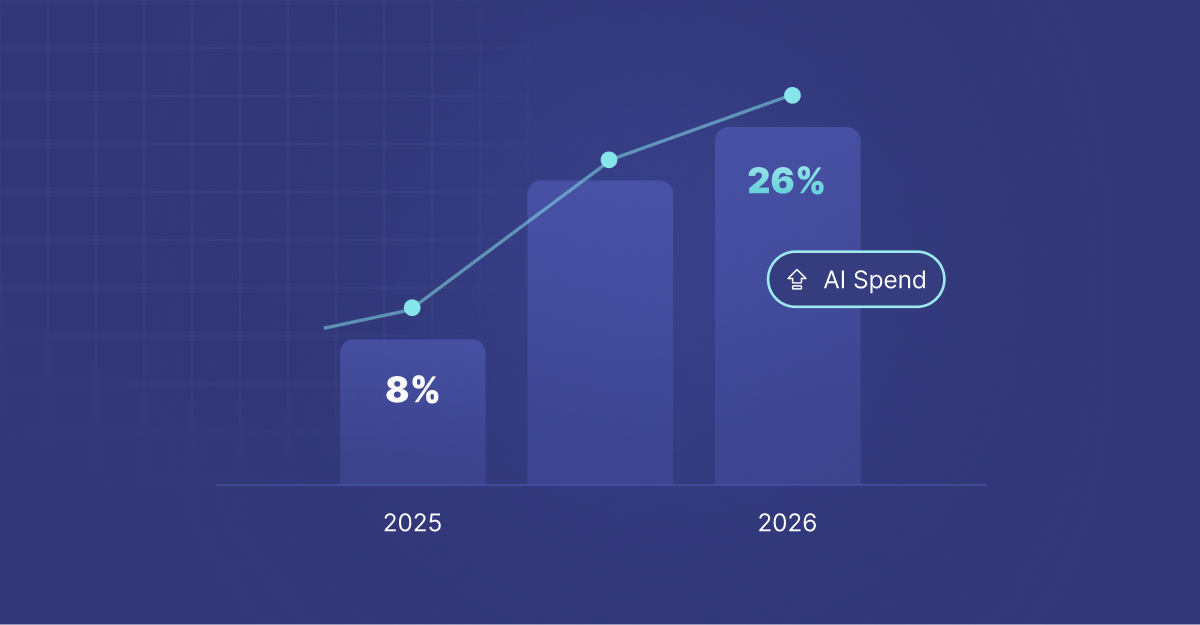
Two surprises stand out immediately. First, AI tools have crashed the top 10 with remarkable speed. Claude is at number eight. Cursor is at number nine. These tools didn't exist as market forces two years ago. Second, the traditional SaaS giants still own the market, but their margin of dominance is shrinking as specialized tools fragment adoption.

How to Read This List

Each tool is ranked by transaction volume. The adoption percentage shows what share of companies use it. The average spend per buyer shows the annual cost per organization. These three metrics tell a complete story about a tool's market position.

A tool with high adoption but low spend is either highly competitive or in early growth phase. High adoption and high spend means it's an entrenched platform. Low adoption but high spend means it's a specialized tool with real budget concentration.

The Core Layer: Platforms Owned by Three Companies

1. Microsoft - 57.5% adoption, $21,986 avg spend

2. OpenAI - 50.4% adoption, $7,718 avg spend

3. Google Workspace - 55.7% adoption, $21,929 avg spend

4. ChatGPT - 39.2% adoption, $5,938 avg spend

5. Atlassian - 49.0% adoption, $23,608 avg spend

6. GitHub - 56.5% adoption, $7,934 avg spend

7. Twilio - 26.3% adoption, $17,116 avg spend

8. Claude - 38.7% adoption, $3,182 avg spend

9. Cursor - 30.5% adoption, $5,857 avg spend

10. Xero - 28.6% adoption, $3,951 avg spend

The AI Cohort: Tools That Didn't Exist Five Years Ago

11. Adobe - 42.4% adoption, $6,377 avg spend

12. Cledara - 57.6% adoption, $5,970 avg spend

13. Figma - 59.0% adoption, $5,344 avg spend

14. Webflow - 23.8% adoption, $2,526 avg spend

15. Slack - 54.5% adoption, $7,555 avg spend

16. Zoom - 37.3% adoption, $8,391 avg spend

17. Anthropic - 16.5% adoption, $6,161 avg spend

18. Mailchimp - 21.0% adoption, $5,074 avg spend

19. HubSpot - 37.2% adoption, $30,903 avg spend

20. JetBrains - 33.3% adoption, $6,160 avg spend

The Specialized Performers: Niche Tools with Serious Budgets

21. Sentry - 32.2% adoption, $3,424 avg spend

22. CircleCI - 7.6% adoption, $5,390 avg spend

23. Adobe Creative Cloud - 20.1% adoption, $7,558 avg spend

24. Microsoft 365 - 10.3% adoption, $10,798 avg spend

25. Notion - 34.7% adoption, $7,511 avg spend

26. 1Password - 26.9% adoption, $4,955 avg spend

27. Zapier - 37.4% adoption, $3,331 avg spend

28. Miro - 33.4% adoption, $4,554 avg spend

29. LinkedIn Sales Nav - 16.9% adoption, $6,150 avg spend

30. Canva - 35.4% adoption, $523 avg spend

31. Typeform - 28.4% adoption, $1,350 avg spend

32. SendGrid - 14.8% adoption, $8,419 avg spend

33. Loom - 23.1% adoption, $1,496 avg spend

34. Calendly - 22.9% adoption, $2,361 avg spend

35. Vercel - 17.3% adoption, $3,853 avg spend

36. Intercom - 16.5% adoption, $17,398 avg spend

37. Zendesk - 13.8% adoption, $14,195 avg spend

38. SEMRush - 18.7% adoption, $4,775 avg spend

39. Mailgun - 11.5% adoption, $4,313 avg spend

40. BambooHR - 11.6% adoption, $17,631 avg spend

41. QuickBooks - 9.0% adoption, $3,825 avg spend

42. Make - 10.3% adoption, $1,149 avg spend

43. Datadog - 11.3% adoption, $30,809 avg spend

44. Auth0 - 8.1% adoption, $3,493 avg spend

45. Cookiebot - 10.8% adoption, $1,647 avg spend

46. Dropbox - 15.9% adoption, $2,854 avg spend

47. Ahrefs - 13.4% adoption, $5,897 avg spend

48. Midjourney - 14.1% adoption, $674 avg spend

49. Airtable - 10.9% adoption, $4,197 avg spend

50. Postman - 14.1% adoption, $5,041 avg spend

What the Rankings Actually Tell Us

The top 50 are dominated by a pattern: established platforms with high adoption and moderate-to-high spend. Microsoft, Google, Atlassian, Slack, and GitHub own the base layer.

But the surprise breakouts are revealing. Figma at number 13 with 59% adoption shows how fast design tools have consolidated. HubSpot and Datadog at 19 and 43 show that specialized enterprise tools command serious budgets, even at lower adoption rates. Claude, Cursor, and Anthropic in the top 20 prove that AI has already shifted from emerging to essential.

The tools with the highest average spend per buyer aren't the most adopted. HubSpot at $30,903 per buyer and Datadog at $30,809 show that certain tools scale with company size and complexity. These aren't tools companies dabble with. They're commitments.

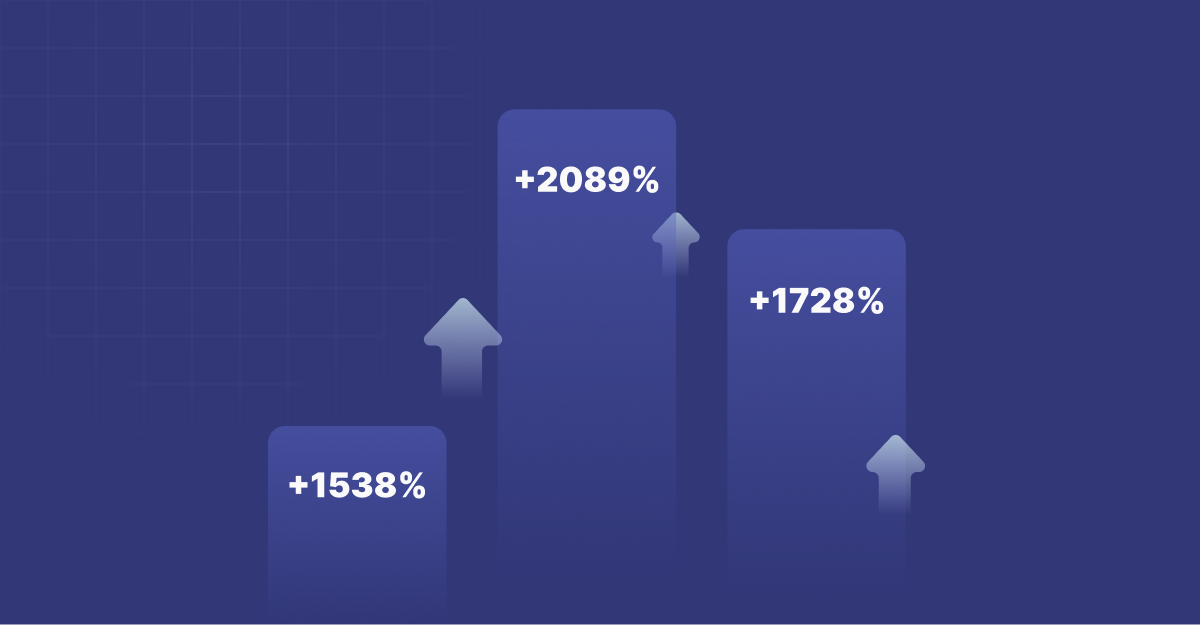
The emerging AI tools (Lovable, Firecrawl, OpenRouter) didn't make the top 50 by adoption percentage, but their growth rates (2,089%, 1,417%, 1,009% respectively) suggest they will within 12 months. The long tail is moving very fast.

A Question for Your Budget

If your company is using a significant portion of these 50 tools, you're not alone. But you're also probably not managing that complexity well. The median company runs 25 subscriptions. That's more than you'd expect, and probably includes significant waste.

The winners in 2026 won't be the companies using the most tools. They'll be the ones using the right tools, with the discipline to cut what doesn't work, and the flexibility to adopt new tools when they offer real value.

True ROI comes from visibility, not just knowing what you’re spending, but ensuring every subscription is actively driving growth. Cledara gives you the control to track, manage, and optimize your entire SaaS stack in one place, so you can stop overpaying and start scaling efficiently. Learn more at cledara.com.

This analysis is based on anonymized, aggregated transaction data from Cledara's platform. All figures represent averages, percentages, and ratios. No individual company data is disclosed. For detailed market analysis, visit data.cledara.com.

What are the most popular SaaS tools in 2026?

The top five SaaS tools by transaction volume in 2026 are Microsoft (57.5% adoption), OpenAI (50.4%), Google Workspace (55.7%), ChatGPT (39.2%), and Atlassian (49.0%). AI tools like Claude (#8) and Cursor (#9) have broken into the top 10 for the first time.

How is this SaaS ranking different from other lists?

Unlike survey-based rankings, this list is based on real purchase transactions and actual adoption data. Each tool is ranked by transaction volume, with adoption percentages and average spend per buyer providing a complete picture of real market position rather than self-reported usage.

Which SaaS tools cost the most per company?

The highest average spend per buyer goes to HubSpot at $30,903/year and Datadog at $30,809/year. Other high-spend tools include BambooHR ($17,631), Intercom ($17,398), Twilio ($17,116), and Zendesk ($14,195). These tools scale significantly with company size and complexity.

What is the most used design tool in 2026?

Figma leads design tool adoption at 59.0% of companies, making it the most widely adopted design tool on the market. Its average spend is $5,344 per buyer. Adobe follows at 42.4% adoption with $6,377 average spend, while Canva reaches 35.4% adoption at a much lower $523 average spend.

How many SaaS tools do companies typically use?

The median company uses 25 SaaS tools, though the range varies widely. The top 50 tools account for the majority of transactions and spend. Companies with more tools tend to have higher waste, which is why SaaS management has become essential for controlling costs.

Which SaaS categories are growing fastest in 2026?

AI tools are the fastest-growing category, with tools like Lovable (+2,089% YoY), Claude (+1,728%), and Firecrawl (+1,417%) leading the surge. AI coding tools, AI infrastructure, and AI automation represent the three fastest-growing sub-categories within the broader SaaS market.

Contents

Contents

The software management solution for finance teams.

Learn more

Subscribe to our newsletter

Receive the latest insights in your inbox

Brad van Leeuwen

Brad is the co-founder and COO of Cledara. Prior to Cledara, Brad scaled partnerships, infrastructure and Go-to-Market at several fintech companies. He also led multiple early-stage investments into fintech and financial services for the EBRD and is one of highest-ranked Techstars startup mentors globally.

Share this post

Subscribe to our newsletter and stay informed on the latest SaaS insights

Sign up

Explore more

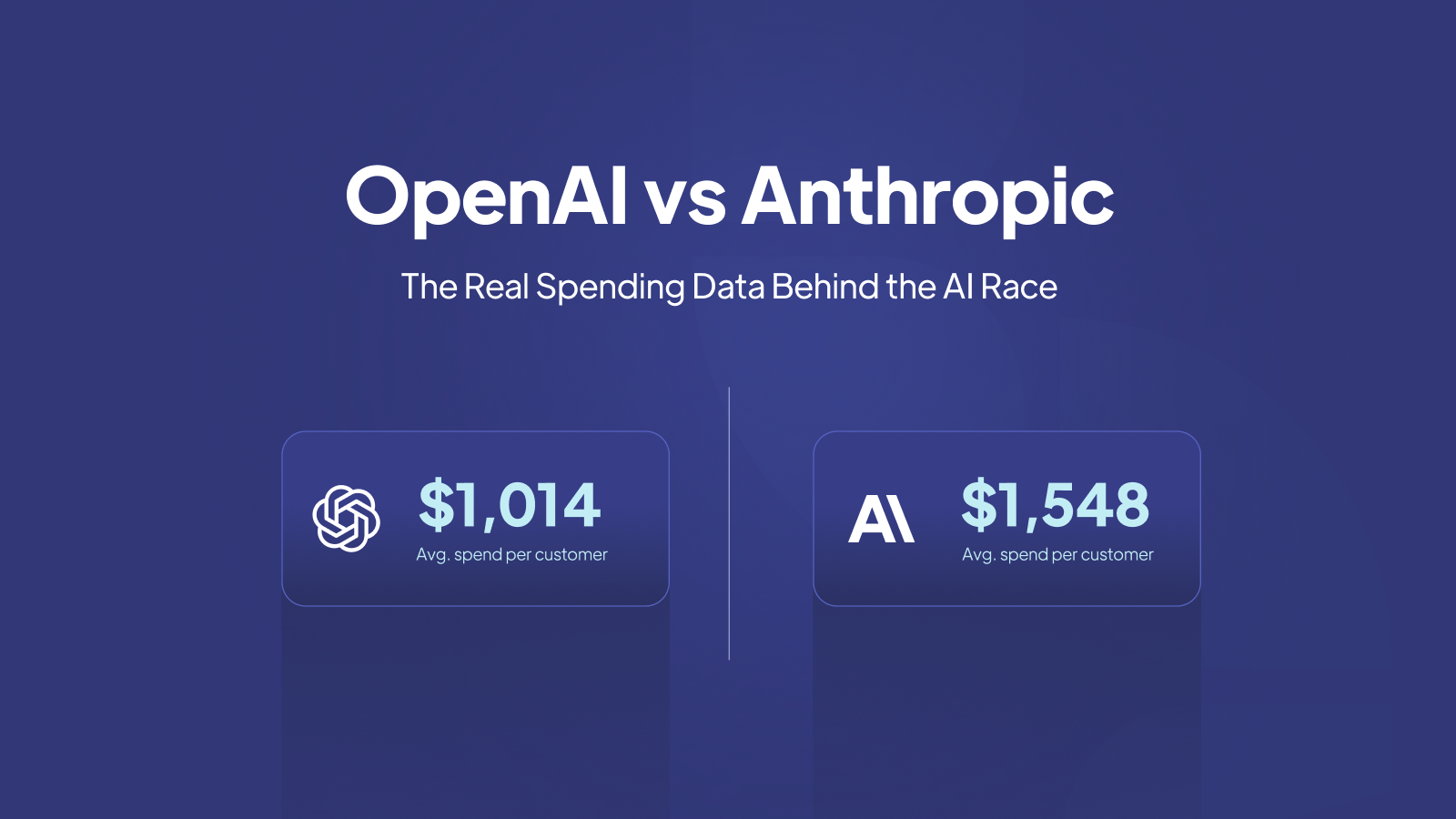
OpenAI vs Anthropic: The Real Spending Data Behind the AI Race

Cledara's transaction data reveals the moment Anthropic overtook OpenAI in enterprise spend, and what the Pentagon controversy means for how companies choose AI providers.
Read more

2025: The Year Software Management Got Harder And How Cledara Made It Easier

What changed, what we built, and what it means for Finance teams.
Read more

SaaS Management: Why You Need It, When to Implement It, and the Disasters That Happen Without It

Learn why SaaS management matters, the triggers that force adoption, and real disaster stories—plus a practical 30/60/90-day rollout plan.
Read more

The effects of funding on software spend

We were curious what really happens to software spend after a company raises funding, so we dug into the data to find out.
Read more

DocuSign vs. HelloSign (now Dropbox Sign): Which Is The Better eSignature Tool?

Choosing between DocuSign and Dropbox Sign requires understanding their distinct features, pricing models, and integration capabilities to determine which eSignature solution best aligns with your business needs.
Read more

8 Top Tools for Small Business Expense Tracking

Every dollar counts. Learn how the right expense tracking tools can help you cut waste, improve budgeting, and stay financially smart.
Read more

5 Best SaaS Management Tools to Keep Track of Your Apps

Discover the top 12 SaaS management tools to help you monitor your apps, optimize your tech stack, and slash software spend.
Read more

SaaS Renewal Management: A Complete Guide to Tracking your Tech Stack

In the maze of modern business technology, SaaS renewal management emerges as the strategic compass that helps companies navigate the complex landscape of software subscriptions.
Read more

AI Adoption: Statistics, Benefits, and Challenges for 2025

Discover how businesses are navigating AI adoption challenges and uncovering ROI opportunities, with insights and trends from Cledara’s 'AI in 2025: The Data Behind the Hype' report.
Read more

The Top 85 SaaS Tools of 2024

From communication powerhouses like Slack to AI innovators like ChatGPT, this comprehensive guide analyzes the 85 most popular SaaS tools of 2024, backed by data from over 1.1 million software purchases across 4,000 vendors.
Read more

Vertical SaaS vs Horizontal SaaS: The Similarities and Differences

Managing a diverse SaaS stack can be challenging, but understanding the key differences between vertical and horizontal SaaS is essential for optimizing your company's software strategy.
Read more

The 5 Most Popular SaaS Monitoring Tools for 2025

In 2025, managing a growing SaaS ecosystem requires powerful monitoring tools to optimize performance, enhance security, and ensure efficient software usage across organizations.
Read more

The 2025 Software Spend Report

Find out how much tech companies are spending on software, trends, spend by size, region, and more with insights from 600+ businesses.
Read more

Report: AI in 2025 - The Data Behind the Hype

This report aims cuts through the noise and provide a clear picture of AI's current state in the business world. We explore adoption rates, spending patterns, and the value businesses are (or aren't) seeing from their investments. Buckle up – the data might surprise you.
Read more

The Top 10 SaaS Accounting Tools of 2024 (so Far)

Navigating the crowded landscape of SaaS accounting tools can be overwhelming, but this guide to the top 10 options of 2024 will help you find the perfect fit for your business.
Read more